
Choosing the right jewellery often comes down to a tough decision between popular metals. Two frequent contenders are stainless steel and silver.
Both offer a sleek, metallic look, but they differ significantly in durability, cost, and care requirements.
This guide will break down everything you need to know about stainless steel vs silver jewellery. We’ll explore their unique properties, from how they wear over time to how they might affect sensitive skin.
What is Stainless Steel Jewellery?
When we talk about stainless steel in jewelry, we’re usually referring to specific metal alloys designed for wearability and resilience.
The most common type is 316L stainless steel, often called surgical grade steel. This grade is prized for its excellent corrosion resistance and strength.
The composition of stainless steel typically includes iron, chromium, and often nickel. The chromium is what gives it its “stainless” quality, creating a passive, invisible layer that protects the iron from rusting.
Stainless steel jewellery comes in several finishes, each offering a distinct look:
- Polished: A highly reflective, mirror-like finish that looks bright and clean.
- Brushed: A more subdued, textured finish with fine parallel lines, which helps hide minor scratches.
- Matte: A non-reflective, satin-like finish that provides a modern, understated appearance.
One of the biggest selling points for 316L stainless steel is its hypoallergenic nature.
While it contains nickel, the alloy binds it so tightly that it’s highly unlikely to leach out and cause a skin reaction, making it a safe choice for most people with metal sensitivities.
Gleam By Huda offers premium quality stainless steel jewellery at an affordable price. Check out Now!
If you’re into fashion updates, you might also like reading about the latest jewellery trends in Pakistan 2025.
What is True Silver Jewellery?
Silver has been a treasured material for jewellery for centuries, but not all silver is the same. The type you’ll most commonly encounter is sterling silver.
- Fine Silver (999): This is silver in its purest form (99.9% pure). It’s extremely soft and has a brilliant white lustre. Because of its softness, it’s not practical for most jewellery as it can easily bend and scratch.
- Sterling Silver 925): To make it more durable, fine silver is mixed with other metals, usually copper. Sterling silver is an alloy consisting of 92.5% pure silver and 7.5% other metals. This is the standard for most silver jewelry.
- Hallmarks: To verify its purity, sterling silver pieces are stamped with a hallmark, typically “925” or “925.” This stamp certifies the silver content.
Over time, sterling silver develops a patina, which is a slight darkening of the surface that many find beautiful, as it adds character to the piece.
This is different from tarnish, which is a chemical reaction that can be polished away. If your jewellery tarnishes often, you can check this guide on how to fix tarnished jewelry.
Finishes on silver jewellery can range from highly polished to oxidized, where recesses are intentionally darkened to enhance design details.
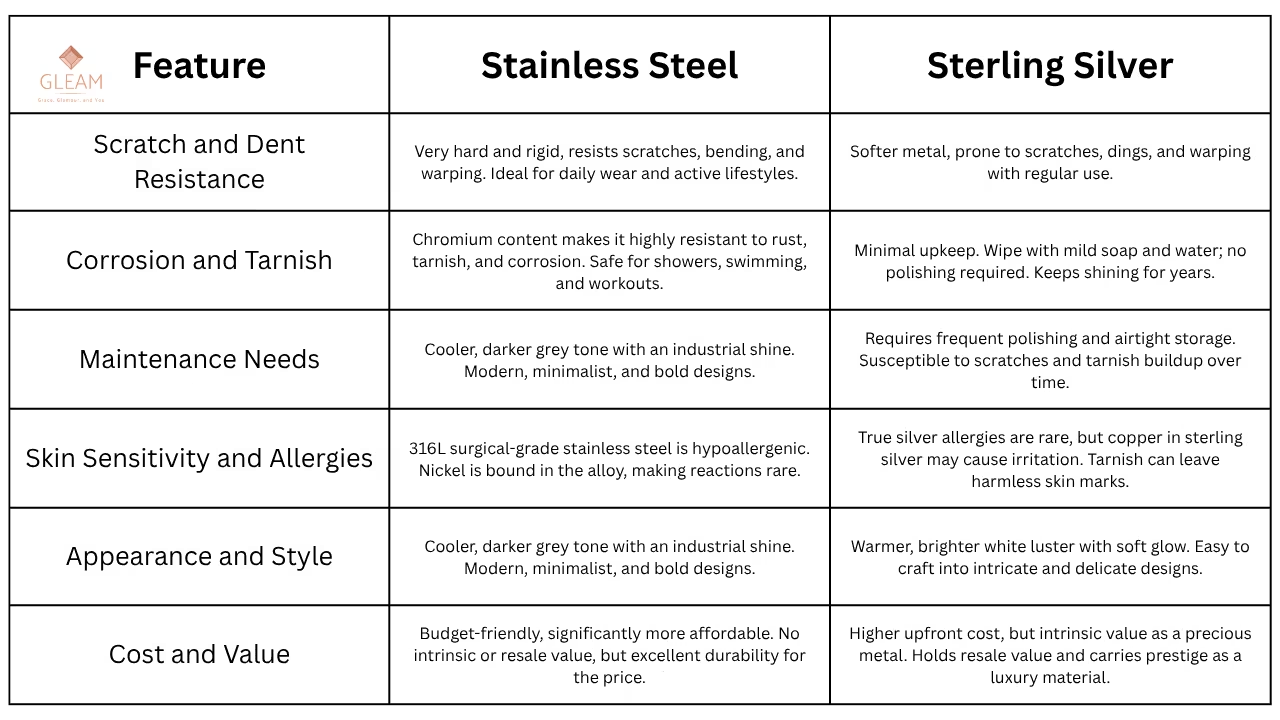
Stainless Steel vs Silver Jewellery: Which Metal Withstands Wear Better?
When it comes to longevity and standing up to daily life, stainless steel has a clear edge.
💡 Pro tip: If you love silver jewellery, make sure you know how to clean and maintain gold jewelry at home and similar cleaning techniques that also apply to sterling silver.
Which Metal Suits Your Lifestyle?
- For Daily Wear: Stainless steel is the winner for everyday rings, bracelets, and necklaces, especially if you have an active job or lifestyle.
- For Occasional or Statement Pieces: Silver is perfect for special occasions or as a statement piece where durability is less of a concern and intricate design is more important.
- For Outdoor and Water Activities: Stainless steel’s resistance to corrosion makes it the ideal choice for swimming, sports, and outdoor adventures.
- For Gifts: A sterling silver piece often feels more traditional and luxurious as a gift, but a high-quality stainless steel piece can be a thoughtful, practical choice for someone who values durability.
And if you’re ever investing in precious metals, don’t forget to read up on how to buy authentic gold jewellery in Pakistan.
Choose Your Ideal Piece
A little knowledge can help you make a smart and confident decision.
When you’re shopping, don’t hesitate to ask questions. Inquire about the grade of stainless steel to ensure it’s 316L and nickel-free if you have extreme sensitivities. For silver, look for the 925 hallmark and ask if it’s been plated with rhodium to prevent tarnish. Understanding how to care for each metal will also help you enjoy your new jewellery for years to come.
If your jewellery has already dulled, check out this practical guide on how to clean rusty jewellery. Keeping up with simple cleaning hacks ensures your favourite pieces stay bright and wearable.
Final Words
Ultimately, neither stainless steel nor silver is universally “better”; it all depends on what you value.
If your priority is a durable, hypoallergenic, and affordable piece of jewellery that you can wear anywhere without worry, stainless steel is an outstanding choice.
If you appreciate the classic beauty and intrinsic value of a precious metal and don’t mind a little maintenance to preserve its shine, sterling silver is a timeless investment.
By weighing the pros and cons of durability, cost, appearance, and maintenance, you can confidently choose the metal that best complements both your wardrobe and your lifestyle.
FAQ’s?
Which is better: sterling silver or stainless steel?
Both metals have unique advantages. Stainless steel is more durable, affordable, and low-maintenance, while sterling silver is a precious metal with classic beauty and higher resale value. The better choice depends on your lifestyle and budget.
Is stainless steel jewellery better than silver for daily wear?
Yes. Stainless steel is harder, more resistant to scratches, and doesn’t tarnish, making it ideal for everyday wear. Silver requires more care and can tarnish quickly, but offers timeless elegance.
Does sterling silver tarnish easily?
Sterling silver reacts with sulfur and moisture, which causes tarnish. Proper storage, regular polishing, and rhodium plating can help slow this process.
Is stainless steel hypoallergenic?
High-quality stainless steel (such as 316L surgical grade) is generally hypoallergenic. The nickel in the alloy is bound so tightly that it rarely causes allergic reactions, making it safe for sensitive skin.
Why does my silver chain look dull or grey?
This happens because silver naturally tarnishes when exposed to air, sweat, or chemicals. Polishing with a silver cleaning cloth or using anti-tarnish storage can restore its shine.
For more detailed methods, here’s a step-by-step guide on how to clean white gold jewelry.
What’s the difference between sterling silver and silver-plated jewellery?
Sterling silver is an alloy with 92.5% pure silver, stamped “925.” Silver-plated jewellery has only a thin layer of silver over a base metal, which can wear off over time.
Is silver or stainless steel more valuable?
Sterling silver holds intrinsic value as a precious metal and has resale potential. Stainless steel, while durable and affordable, has no significant resale value.
Should I buy stainless steel or silver jewellery as a gift?
If you want something timeless and luxurious, silver makes a great gift. For someone practical and active who prefers low-maintenance jewellery, stainless steel is the smarter choice.
If you’re looking for premium affordable jewelry in Pakistan, Must have a look at Gleam By Huda.